


Your home should be a place where you can unwind, recharge, and enjoy everyday life. A harmonious living space isn’t about following the latest design trends or filling every room with expensive furniture. Instead, it’s about creating an environment that feels balanced, organized, comfortable, and uniquely yours.
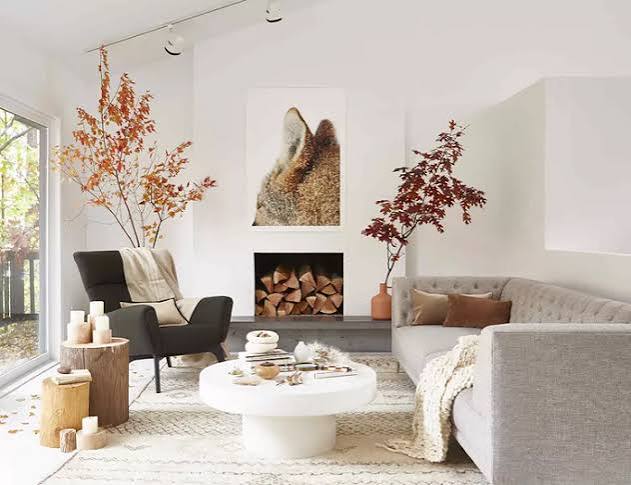
Whether you’re decorating a new home or refreshing your current one, this guide will help you create a living space that promotes peace, comfort, and well-being.
What Is a Harmonious Living Space?
A harmonious living space is designed to support both your physical and emotional well-being. It combines functionality with beauty, making every room feel welcoming and easy to use.
A harmonious home often includes:
- Clean and organized spaces
- Comfortable furniture
- Natural light
- Calming colors
- Thoughtful décor
- Healthy indoor air
- Personal touches
- Daily habits that keep everything in balance
The goal is to create an environment that feels peaceful rather than overwhelming.
Why Harmony at Home Matters
Your surroundings affect your mood, energy levels, and productivity. A cluttered or poorly organized home can contribute to stress, while a clean and thoughtfully arranged space encourages relaxation and focus.
Benefits of a harmonious living space include:
- Reduced stress
- Better sleep
- Improved concentration
- Easier daily routines
- Stronger family connections
- Increased comfort
- Greater enjoyment of your home
Even small improvements can have a noticeable impact on your daily life.
1. Begin With Decluttering
Decluttering is the foundation of every harmonious home.
Go through each room and remove items you no longer use, need, or enjoy. Donate, recycle, or store belongings that don’t serve a purpose.
Simple decluttering tips:
- Start with one room at a time.
- Empty one drawer before moving to another.
- Keep countertops clear.
- Avoid buying unnecessary items.
- Create designated storage for everyday essentials.
Less clutter means less visual stress.
2. Design With Function in Mind
Every room should support the activities that take place there.
Ask yourself:
- Is the furniture easy to move around?
- Does everything have a purpose?
- Can you easily find everyday items?
- Is the room comfortable to use?
When functionality comes first, your home naturally feels more organized and enjoyable.
3. Choose a Calming Color Palette
Colors shape the atmosphere of a room.
Soft and natural shades encourage relaxation, including:
- Warm white
- Beige
- Light gray
- Sage green
- Soft blue
- Taupe
Use brighter colors through artwork, pillows, or decorative accessories rather than large surfaces.
4. Maximize Natural Light
Natural light creates warmth and makes rooms appear larger.
Increase daylight by:
- Opening curtains fully.
- Cleaning windows regularly.
- Using mirrors to reflect sunlight.
- Choosing light-colored curtains.
- Keeping windows unobstructed.
When daylight isn’t available, use layered lighting with warm bulbs for a cozy atmosphere.
5. Bring Nature Indoors
Natural elements create balance and freshness.
Consider adding:
- Indoor plants
- Wooden furniture
- Stone accessories
- Fresh flowers
- Natural fiber rugs
- Linen curtains
Popular beginner-friendly plants include Snake Plant, Pothos, Peace Lily, Spider Plant, and ZZ Plant.
6. Create Comfortable Living Areas
Comfort is essential for harmony.
Choose furniture that supports relaxation while fitting your available space. Add soft cushions, blankets, and rugs to make seating areas feel warm and inviting.
Avoid overcrowding rooms with unnecessary furniture.
7. Organize Every Room
An organized home saves time and reduces stress.
Useful storage ideas:
- Decorative baskets
- Floating shelves
- Drawer organizers
- Storage benches
- Closet organizers
- Labeled containers
Give every item a designated place.
8. Keep Bedrooms Peaceful
Your bedroom should encourage rest.
Create a calming environment by:
- Limiting clutter.
- Choosing soft bedding.
- Using blackout curtains if needed.
- Keeping lighting gentle.
- Avoiding unnecessary electronics.
A peaceful bedroom supports better sleep and relaxation.
9. Design a Functional Kitchen
The kitchen is often the heart of the home.
Maintain harmony by:
- Organizing cabinets.
- Keeping countertops clear.
- Storing similar items together.
- Cleaning as you cook.
- Rotating pantry items regularly.
A tidy kitchen makes meal preparation more enjoyable.
10. Use Pleasant Scents
Fragrance influences how your home feels.
Popular choices include:
- Lavender
- Citrus
- Vanilla
- Eucalyptus
- Sandalwood
Use essential oil diffusers, lightly scented candles, or fresh flowers for a welcoming atmosphere.
11. Reduce Noise
A quieter home encourages relaxation.
Ways to minimize noise include:
- Adding rugs.
- Hanging curtains.
- Choosing upholstered furniture.
- Closing windows during heavy traffic.
- Playing soft background music when appropriate.
These simple changes create a calmer environment.
12. Decorate With Meaning
Choose decorations that tell your story.
Display:
- Family photographs
- Handmade crafts
- Meaningful artwork
- Favorite books
- Travel souvenirs
Quality and personal meaning are often more important than quantity.
13. Maintain Good Air Quality
Fresh air contributes to a healthier home.
Improve indoor air by:
- Opening windows daily.
- Using kitchen and bathroom exhaust fans.
- Changing HVAC filters regularly.
- Adding air-purifying plants.
- Keeping humidity at comfortable levels.
Clean air helps your home feel fresh and comfortable.
14. Develop Daily Home Habits
Harmony is maintained through consistency.
Daily habits include:
- Making the bed.
- Washing dishes after meals.
- Returning items to their proper place.
- Wiping kitchen surfaces.
- Folding blankets.
- Taking five to ten minutes to tidy up.
Small routines prevent large messes.
15. Keep Your Home Flexible
Life changes over time, and your home should adapt with it.
Rearrange furniture when needed, update storage solutions, and refresh décor occasionally to keep your space functional and enjoyable.
A flexible home grows with your family’s needs.
Common Mistakes to Avoid
Avoid these habits that disrupt harmony:
- Holding onto unnecessary clutter.
- Buying décor without a plan.
- Ignoring maintenance issues.
- Overcrowding rooms.
- Choosing style over comfort.
- Neglecting regular cleaning.
- Forgetting personal touches.
Balance is more important than perfection.
Tips for Every Room
Living Room
- Choose comfortable seating.
- Keep walkways clear.
- Add soft lighting.
- Limit decorative clutter.
Bedroom
- Use calming colors.
- Keep electronics to a minimum.
- Invest in comfortable bedding.
Kitchen
- Organize frequently used items.
- Clean as you cook.
- Label storage containers.
Bathroom
- Keep counters uncluttered.
- Use baskets for toiletries.
- Add soft towels and plants if space allows.
Entryway
- Add hooks for coats and bags.
- Include a shoe rack.
- Keep the area clean and welcoming.
Final Thoughts
Creating a harmonious living space isn’t about achieving perfection—it’s about designing a home that supports your lifestyle, reflects your personality, and helps you feel at ease. By focusing on organization, natural light, calming colors, comfortable furniture, meaningful décor, and simple daily habits, you can transform any home into a peaceful retreat.
Remember that harmony develops over time. Start with one room, make small improvements, and build routines that keep your space clean, balanced, and welcoming. Every thoughtful change brings you one step closer to a home where you can truly relax, recharge, and enjoy everyday life.