


A truly harmonious home is not just beautiful—it is also practical. Many people focus on decorating their space until it looks visually appealing, but later struggle with clutter, discomfort, or rooms that don’t actually work for daily life. The real key to a peaceful home is balance: combining beauty with function so your space looks good and works well at the same time.
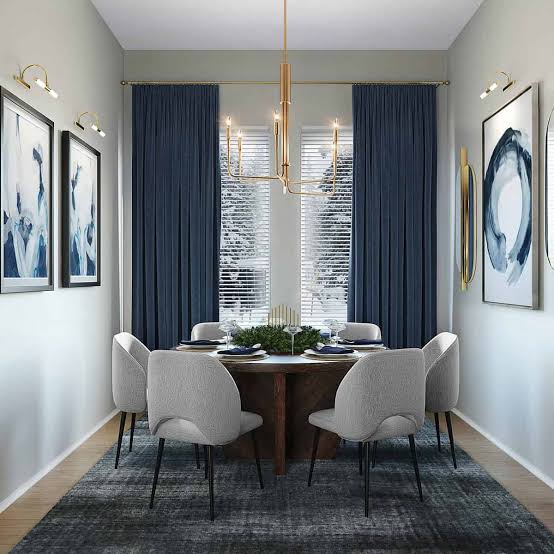
This guide will show you how to create a home that feels both stylish and livable, without sacrificing comfort or practicality.
What Does “Balanced Home Design” Mean?
A balanced home is one where:
- Everything has a purpose
- Spaces are easy to use
- Rooms feel visually calm
- Decor supports daily living
- Nothing feels overcrowded or wasted
It’s the difference between a home that looks good in photos and one that feels good to live in every day.
Why Balance Matters
When beauty and function are not aligned, problems appear:
- Beautiful rooms become difficult to maintain
- Stylish furniture is uncomfortable or impractical
- Clutter builds up quickly
- Daily routines feel harder than they should be
A balanced home solves these issues by making design choices that support real life.
1. Start With How You Actually Live
Before decorating, think about your daily habits.
Ask yourself:
- How do I use each room?
- Where do I spend the most time?
- What activities happen here every day?
Designing around your lifestyle ensures your home works for you, not against you.
2. Choose Furniture That Serves a Purpose
Every piece of furniture should do something useful.
Look for items that:
- Provide storage
- Offer comfort
- Fit the size of the room
- Support your daily routine
For example:
- Storage ottomans instead of plain stools
- Coffee tables with shelves
- Beds with drawers underneath
Beauty should never come at the cost of usability.
3. Keep Layouts Open and Functional
A good layout improves both movement and comfort.
To improve flow:
- Avoid blocking walkways
- Don’t overcrowd rooms with furniture
- Leave space between large items
- Arrange seating for conversation and ease
A functional layout naturally feels more peaceful.
4. Use Decor With a Purpose
Decor should enhance your home, not overwhelm it.
Choose items that:
- Add meaning or personality
- Improve the mood of a space
- Don’t create unnecessary clutter
Instead of filling every shelf, select a few meaningful pieces and give them space to stand out.
5. Prioritize Storage Solutions
Hidden storage is essential for balance.
Use:
- Baskets for everyday items
- Cabinets to hide clutter
- Drawer organizers for small objects
- Shelving systems for vertical space
When storage is well planned, your home stays visually clean and functional.
6. Choose Durable and Practical Materials
Beautiful materials should also be easy to maintain.
Good choices include:
- Wood (durable and timeless)
- Cotton and linen (comfortable and washable)
- Metal accents (long-lasting)
- Ceramic and stone (sturdy and elegant)
Avoid materials that are hard to clean or not suited for daily use.
7. Keep Surfaces Clear
Flat surfaces should feel calm, not crowded.
To maintain balance:
- Limit decorative items on tables
- Store daily essentials out of sight
- Rotate decor instead of displaying everything at once
Empty space is part of good design.
8. Mix Comfort With Style
A beautiful home is useless if it’s not comfortable.
Make sure your space includes:
- Soft seating
- Supportive cushions
- Cozy textiles
- Proper lighting for relaxation
Comfort should always be part of the design plan.
9. Use a Simple Color Palette
Too many colors can make a space feel chaotic.
Stick to:
- Neutral base tones (white, beige, gray)
- One or two accent colors
- Natural shades inspired by nature
A limited palette creates visual harmony and makes decorating easier.
10. Layer Lighting for Function and Mood
Lighting must be both practical and atmospheric.
Use three layers:
- Ambient lighting for general visibility
- Task lighting for reading or cooking
- Accent lighting for mood and decor
Warm lighting creates a more comfortable environment.
11. Design for Easy Maintenance
A beautiful home should not be difficult to maintain.
Choose:
- Easy-to-clean surfaces
- Washable fabrics
- Simple furniture designs
- Smart storage systems
If something is too hard to maintain, it will eventually disrupt harmony.
12. Avoid Overdecorating
Too much decor reduces both beauty and function.
Signs of overdecorating:
- Surfaces feel crowded
- Rooms are difficult to clean
- Visual clutter increases stress
Instead, focus on fewer, better-chosen pieces.
13. Create Multi-Functional Spaces
Modern homes benefit from flexibility.
Examples:
- A guest room that doubles as an office
- A coffee table with storage
- A dining area that also serves as a workspace
Multi-use design maximizes space without adding clutter.
14. Keep Technology Organized
Devices can quickly create visual chaos if not managed properly.
To maintain balance:
- Hide cables where possible
- Use cable organizers
- Store unused devices out of sight
- Keep charging stations tidy
A clean tech setup improves overall harmony.
15. Regularly Reset Your Home
Even well-designed spaces need maintenance.
Set a routine to:
- Put things back in place daily
- Declutter weekly
- Refresh decor seasonally
- Reorganize as your needs change
Small resets keep your home functional and beautiful over time.
Final Thoughts
Balancing beauty and function is the foundation of a harmonious home. When your space looks good and works well, everyday life becomes easier, calmer, and more enjoyable. Instead of choosing between style and practicality, aim for both in every decision.
Start with small changes—clear a surface, rearrange a room, or choose furniture that serves multiple purposes. Over time, these thoughtful choices will help you build a home that is not only visually beautiful but also comfortable, functional, and truly supportive of your lifestyle.