A harmonious home is more than a place to live—it’s a sanctuary where you can relax, recharge, and enjoy meaningful moments with family and friends. The way your home looks, feels, and functions has a direct impact on your mood, productivity, and overall well-being.
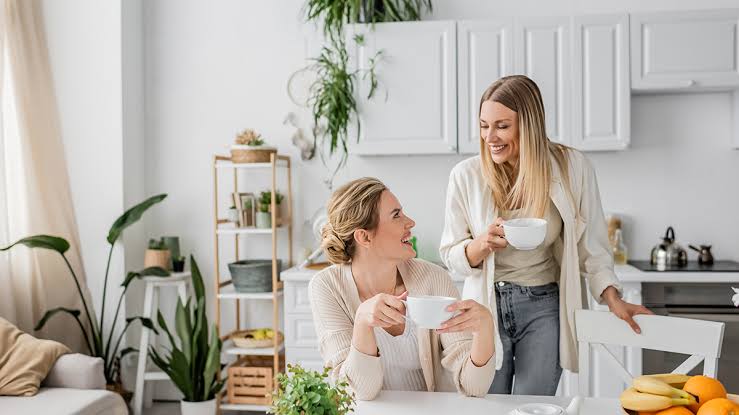
The good news is that creating a peaceful environment doesn’t require a complete renovation or a large budget. Small, intentional changes can transform your living space into a calm and welcoming retreat.
Here are 15 practical secrets to creating a harmonious home environment.
1. Declutter Every Room
Clutter creates visual stress and makes a home feel chaotic. Regularly remove items you no longer use or need, and organize the belongings you keep. A tidy space promotes a calmer mind and makes everyday tasks easier.
2. Choose Soothing Colors
Color has a powerful effect on emotions. Soft neutrals, warm whites, gentle blues, sage greens, and light grays create a relaxing atmosphere. Reserve bold colors for accent pieces instead of entire rooms to maintain balance.
3. Let Natural Light In
Natural light instantly makes a home feel brighter, larger, and more inviting. Open curtains during the day, clean windows regularly, and position mirrors to reflect sunlight throughout your rooms.
If natural light is limited, use warm, layered lighting to create a cozy ambiance.
4. Bring Nature Indoors
Plants add freshness, texture, and life to any space. They also create a stronger connection with nature, which many people find calming.
Easy-care indoor plants include:
- Snake Plant
- Pothos
- Peace Lily
- Spider Plant
- ZZ Plant
Even a few small plants can make a noticeable difference.
5. Keep a Consistent Cleaning Routine
A clean home naturally feels more peaceful. Instead of allowing chores to pile up, establish simple daily habits such as making the bed, wiping kitchen counters, washing dishes after meals, and putting items back where they belong.
Consistency reduces stress and keeps your home inviting.
6. Create Comfortable Relaxation Spaces
Every home benefits from a quiet area dedicated to relaxation. A cozy chair, soft throw blanket, comfortable cushions, and gentle lighting can create the perfect reading or meditation corner.
This space encourages you to slow down and recharge.
7. Decorate With Purpose
Choose décor that reflects your personality and brings positive memories. Display meaningful artwork, family photos, handmade crafts, or souvenirs from memorable trips.
Avoid overcrowding shelves or walls. Simplicity creates visual harmony.
8. Improve Air Quality
Fresh air contributes to a healthier and more comfortable home. Open windows whenever possible, use air-purifying plants, replace HVAC filters regularly, and keep humidity at a comfortable level.
A fresh-smelling home feels cleaner and more relaxing.
9. Add Soft Textures
Comfortable textures make a room feel warm and welcoming. Layer rugs, cushions, blankets, and curtains to create a cozy atmosphere without overwhelming the space.
Mix natural materials like cotton, linen, wool, and wood for timeless appeal.
10. Organize Storage Efficiently
Everything should have a designated place. Use baskets, storage bins, shelves, drawer organizers, and labeled containers to keep everyday items accessible while reducing visible clutter.
Well-organized storage makes cleaning easier and keeps rooms looking neat.
11. Reduce Digital Distractions
Technology is helpful, but constant notifications and screen time can disrupt a peaceful environment. Consider creating screen-free zones, especially in bedrooms and dining areas.
Taking breaks from devices encourages better conversations and relaxation.
12. Use Calming Scents
Fragrance influences mood and can make your home feel more inviting. Natural scents such as lavender, eucalyptus, vanilla, citrus, and sandalwood create a soothing atmosphere.
Use essential oil diffusers, scented candles, or fresh flowers in moderation.
13. Minimize Noise
A peaceful home is also a quiet one. Rugs, curtains, upholstered furniture, and fabric wall hangings help absorb sound. Soft background music or nature sounds can further enhance relaxation.
Reducing unnecessary noise contributes to a calmer environment.
14. Personalize Every Room
Your home should tell your story. Include books you enjoy, meaningful artwork, treasured heirlooms, travel souvenirs, or handcrafted pieces that reflect your interests and experiences.
Personal touches create warmth and make your home feel uniquely yours.
15. Build Positive Daily Habits
Harmony comes from consistent routines rather than occasional effort. Spend a few minutes each day putting things away, watering plants, opening windows, folding blankets, and appreciating your surroundings.
Small habits keep your home comfortable and welcoming all year long.
Common Mistakes That Disrupt Home Harmony
Avoid these common habits:
- Allowing clutter to accumulate.
- Using harsh or overly bright lighting.
- Buying décor without a clear purpose.
- Neglecting routine cleaning.
- Overcrowding rooms with furniture.
- Ignoring damaged or worn-out items.
- Forgetting to create spaces for relaxation.
Making thoughtful choices helps maintain balance throughout your home.
Benefits of a Harmonious Home
Creating a harmonious environment offers many advantages, including:
- Reduced daily stress.
- Better focus and productivity.
- Improved sleep quality.
- Easier home maintenance.
- Stronger family connections.
- Increased comfort and relaxation.
- A more welcoming space for guests.
These benefits contribute to a healthier and happier lifestyle.
Final Thoughts
A harmonious home isn’t defined by expensive furniture or perfect décor. It’s created through thoughtful organization, calming colors, natural light, comfortable spaces, meaningful decorations, and simple daily habits.
Start with one room or one small improvement at a time. As these positive changes add up, your home will become a peaceful retreat that supports your well-being, strengthens your relationships, and brings comfort every day.