Your home should be a place where you can relax, recharge, and enjoy everyday life. A balanced and peaceful home doesn’t have to be large or expensive—it simply needs to be thoughtfully designed to support your lifestyle and well-being. Every choice, from the colors on your walls to the way you organize your belongings, contributes to the atmosphere of your living space.
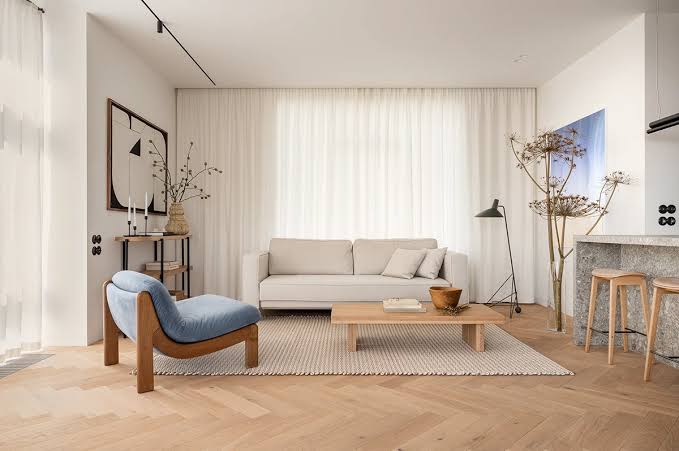
If your home feels cluttered, overwhelming, or uncomfortable, a few intentional changes can make a significant difference. This guide will show you how to design a home that feels calm, balanced, and inviting.
Why a Balanced Home Matters
Your surroundings influence your mood, productivity, and overall quality of life. A well-designed home can help reduce stress, improve focus, encourage better sleep, and create a welcoming environment for family and guests.
Benefits of a balanced and peaceful home include:
- Reduced daily stress
- Better organization
- Improved sleep quality
- Increased productivity
- Easier home maintenance
- Greater comfort and relaxation
- Stronger family connections
Designing with balance in mind creates a space that supports both your physical and emotional well-being.
Start With Decluttering
Clutter is one of the biggest obstacles to a peaceful home. Too many unnecessary items can make rooms feel crowded and difficult to maintain.
Begin by:
- Removing items you no longer use.
- Donating clothing and household goods.
- Organizing storage spaces.
- Keeping only meaningful decorations.
- Clearing countertops and tables.
A clutter-free environment instantly creates a sense of calm.
Create Functional Layouts
Every room should be arranged around how you actually use it.
Ask yourself:
- Can people move comfortably through the room?
- Is furniture positioned for conversation and relaxation?
- Are frequently used items easy to reach?
- Is there enough open space?
Avoid overcrowding rooms with unnecessary furniture. Leaving open areas makes your home feel more spacious and balanced.
Choose a Calming Color Palette
Color has a powerful effect on emotions. Soft, natural shades help create a relaxing atmosphere throughout your home.
Popular calming colors include:
- Warm white
- Beige
- Light gray
- Sage green
- Pale blue
- Soft taupe
Use darker or brighter colors as accents rather than dominant shades.
Maximize Natural Light
Natural light makes rooms feel brighter, larger, and more welcoming.
Increase daylight by:
- Opening curtains fully.
- Cleaning windows regularly.
- Using mirrors to reflect sunlight.
- Choosing lightweight window treatments.
- Keeping windows unobstructed.
In the evening, switch to warm lighting to maintain a cozy atmosphere.
Layer Your Lighting
Balanced lighting combines multiple light sources instead of relying on a single overhead fixture.
Include:
- Ambient lighting for general illumination
- Task lighting for reading or cooking
- Accent lighting for artwork or decorative features
Warm white bulbs create a softer and more relaxing environment than harsh, cool lighting.
Bring Nature Indoors
Natural elements help create harmony within a home.
Consider adding:
- Indoor plants
- Fresh flowers
- Wooden furniture
- Woven baskets
- Stone or ceramic accessories
- Natural fiber rugs
These materials add warmth, texture, and visual balance.
Design Comfortable Living Spaces
Comfort should always come before trends.
Choose furniture that:
- Fits the size of your room
- Supports relaxation
- Offers practical storage when possible
- Allows easy movement throughout the space
Layer cushions, blankets, and rugs to make seating areas feel cozy and inviting.
Organize Every Room
Organization reduces stress and makes daily routines easier.
Useful storage solutions include:
- Decorative baskets
- Floating shelves
- Drawer organizers
- Storage benches
- Closet systems
- Labeled containers
Everything should have a designated place.
Use Meaningful Decorations
Decorate with items that reflect your personality rather than filling every available surface.
Ideas include:
- Family photographs
- Original artwork
- Handmade crafts
- Favorite books
- Travel souvenirs
- Meaningful heirlooms
Personal touches create warmth without adding unnecessary clutter.
Add Soft Textures
Texture makes a room feel comfortable and welcoming.
Mix materials such as:
- Cotton
- Linen
- Wool
- Wood
- Leather
- Bamboo
Layering different textures creates depth while maintaining a calm appearance.
Create Quiet Spaces
Designate at least one area for relaxation.
This could include:
- A reading chair
- A meditation corner
- A cozy window seat
- A quiet home office
- A peaceful bedroom retreat
Having a dedicated place to unwind encourages mindfulness and relaxation.
Improve Air Quality
Fresh air contributes to a healthier and more enjoyable home.
Simple ways to improve indoor air include:
- Opening windows daily
- Replacing HVAC filters regularly
- Using kitchen and bathroom exhaust fans
- Keeping indoor plants
- Cleaning regularly to reduce dust
Fresh air helps every room feel cleaner and more comfortable.
Keep Noise Under Control
A peaceful home is also a quieter one.
Reduce unwanted noise by:
- Using rugs and carpets
- Hanging curtains
- Choosing upholstered furniture
- Adding bookshelves
- Playing soft instrumental music if desired
A quieter environment supports relaxation and concentration.
Establish Daily Habits
Good design is supported by consistent routines.
Daily habits that maintain balance include:
- Making the bed each morning
- Returning items to their proper place
- Washing dishes after meals
- Wiping surfaces daily
- Tidying for 10 minutes each evening
These small habits prevent clutter from accumulating.
Avoid Common Design Mistakes
Many homes lose their sense of balance because of simple mistakes, including:
- Buying too much furniture
- Filling every wall with decorations
- Ignoring storage needs
- Using harsh lighting
- Mixing too many decorating styles
- Neglecting maintenance
Choosing simplicity often creates the greatest sense of peace.
Design Room by Room
Living Room
Arrange seating to encourage conversation, keep pathways clear, and use soft lighting for a welcoming atmosphere.
Bedroom
Use calming colors, comfortable bedding, minimal décor, and blackout curtains if needed to create a restful retreat.
Kitchen
Keep countertops organized, group similar items together, and clean as you cook to maintain order.
Bathroom
Use matching storage containers, keep toiletries organized, and add fresh towels or a small plant for a spa-like feel.
Entryway
Create an inviting first impression with a tidy shoe rack, coat hooks, and a small table for everyday essentials.
Final Thoughts
Designing a home that feels balanced and peaceful is about creating an environment that supports your daily life rather than striving for perfection. By decluttering, choosing calming colors, maximizing natural light, organizing each room, and incorporating natural elements, you can transform your home into a place where you feel comfortable, relaxed, and inspired.
Start with one room or one simple improvement. As these thoughtful changes become part of your routine, your home will naturally evolve into a peaceful retreat that reflects your personality and supports your well-being every day.