


Your bedroom should be a place where you can slow down, unwind, and enjoy a peaceful atmosphere at the end of the day. One of the easiest ways to create this feeling is by choosing the right colors. Soft, calming shades can make a bedroom feel more comfortable and relaxing, while overly bright or intense colors may create a more energetic atmosphere.
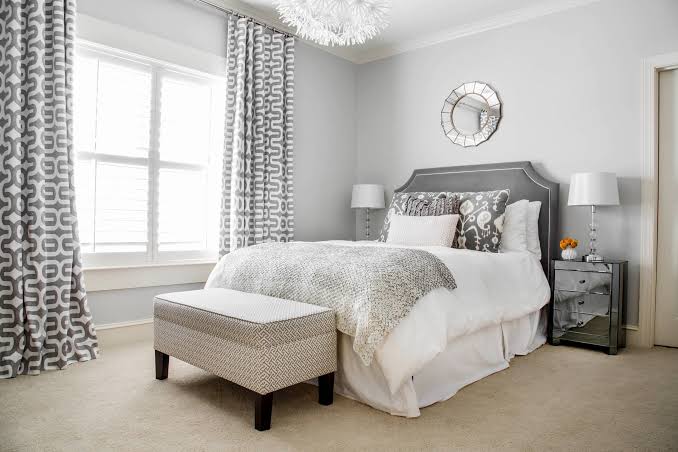
Here are some bedroom color ideas to help you create a restful and harmonious space.
1. Soft Blue for a Calm Atmosphere
Soft blue is a popular choice for bedrooms because it can create a peaceful and refreshing feeling. Pale blue, powder blue, and muted blue-gray shades work especially well when combined with white or light-colored furniture.
For a cozy look, add soft fabrics such as cotton bedding, curtains, and comfortable rugs.
2. Warm Beige for a Cozy Bedroom
Beige is a versatile neutral that can make a bedroom feel warm and inviting. It works well with natural wood furniture, cream bedding, and subtle decorative accents.
If you want a timeless bedroom design that feels relaxing without being too plain, warm beige is an excellent option.
3. Gentle Green for a Natural Feel
Soft green shades can bring a natural feeling into the bedroom. Sage green, muted olive, and pale green are particularly suitable for creating a peaceful environment.
Pair green walls with wooden furniture, plants, and natural fabrics to create a relaxing connection with nature.
4. Light Gray for a Modern Look
Light gray can give your bedroom a clean and sophisticated appearance. Choose a warm or soft gray rather than a very dark shade if your goal is relaxation.
Gray also works well with white, beige, light wood, and soft pastel accents, making it easy to create a balanced color scheme.
5. Soft Lavender for a Gentle Touch
Lavender and muted purple tones can add a subtle sense of comfort and elegance. Instead of using a strong purple, choose a pale or dusty lavender for the walls or bedding.
Combine it with white, cream, or light gray to keep the room feeling light and peaceful.
6. Cream and Off-White for a Bright Space
Cream and off-white shades can make a bedroom feel clean, airy, and comfortable. These colors are especially useful in smaller bedrooms because they can help the room appear more open.
To prevent an all-white bedroom from feeling cold, introduce warm wood, textured bedding, woven baskets, or soft rugs.
7. Earth Tones for a Relaxing Retreat
Earth tones such as soft brown, terracotta, sand, and muted green can create a grounded and comfortable atmosphere. They are ideal for bedrooms inspired by nature.
Use earth tones through accent walls, bedding, artwork, curtains, or decorative accessories rather than overwhelming the entire room.
How to Choose the Right Bedroom Color
When selecting a bedroom color, consider the amount of natural light, the size of the room, and the furniture you already have. Lighter shades generally help make a space feel more open, while deeper colors can create a cozy and intimate atmosphere.
It is also helpful to test paint samples at different times of the day. Natural and artificial lighting can change how a color looks.
Create a Relaxing Color Combination
You do not need to use just one color. A simple combination of two or three complementary shades can create a more balanced bedroom. For example, soft blue with cream and natural wood can feel peaceful, while sage green with beige and white can create a fresh, natural look.
The key is to avoid too many competing colors. Choose a main color, a secondary shade, and one or two subtle accent colors.
Final Thoughts
The right bedroom colors can help create a space that feels comfortable, peaceful, and welcoming. Soft blues, gentle greens, warm neutrals, light grays, lavender, and earth tones are all excellent choices for a relaxing bedroom.
Most importantly, choose colors that make you feel comfortable. A harmonious bedroom is not just about following design trends—it is about creating a personal space where you can truly relax and recharge.